Cafes for Sale in Auckland: How to Compare Locations, Rent and Trading Figures
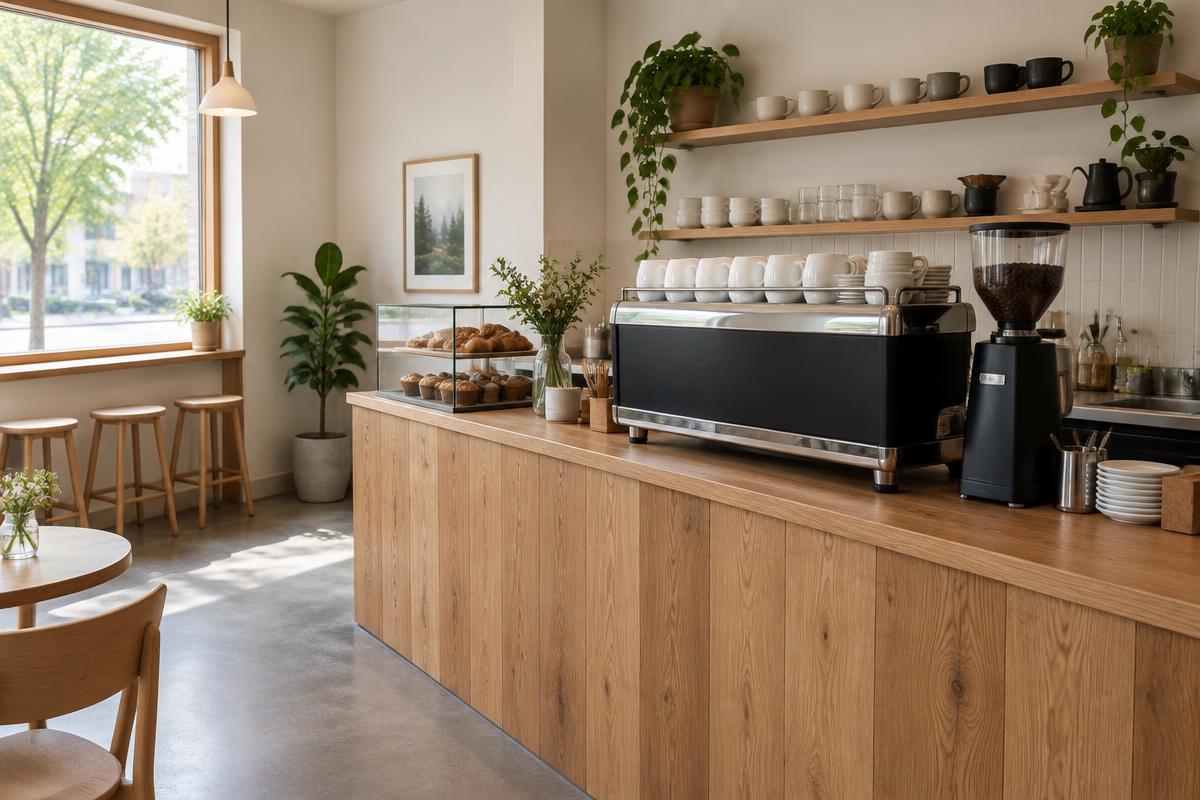
Start with the trading pattern
An Auckland cafe can depend on office workers, local residents, destination diners, students or weekend visitors. Review sales by day and hour so you understand when the business earns its money.
A central city cafe may have strong weekday trade but limited weekends. Ponsonby or Mt Eden may have a different balance. North Shore and South Auckland locations also vary widely by parking, nearby employment and residential demand.
Test rent against sustainable sales
A good-looking site can still be difficult if occupancy costs absorb too much revenue. Review base rent, operating expenses, rent reviews, renewal rights and the remaining term. Confirm whether the landlord must approve the buyer.
Ask who owns the fit-out, extraction, grease trap, outdoor furniture and major equipment. Understand what must be removed or repaired when the lease ends.
Verify food and liquor requirements
Most food businesses must operate under the Food Act and be registered with the relevant council or the Ministry for Primary Industries. Confirm the current registration, verification history and what the buyer needs to do after ownership changes.
If alcohol is sold, review the licence, permitted hours and the process for the new operator. Do not assume an existing approval transfers automatically.
Review staffing and owner hours
Hospitality profit can change quickly when wages, rosters or owner hours are misunderstood. Review employment agreements, pay rates, leave, roster coverage and the use of working owners.
If the owner works as manager, chef or barista, include a replacement wage unless you will perform that role yourself. Check how easily experienced staff could be retained.
Inspect equipment and stock
Inspect coffee machines, grinders, refrigeration, cooking equipment, dishwashers and point-of-sale systems. Confirm whether equipment is owned, financed or supplied under a purchasing agreement.
Agree on stocktake treatment and exclude expired or unusable stock. Review servicing and likely replacement costs.
Compare Auckland cafes carefully
Use verified sales, maintainable earnings, lease quality and required owner hours to compare cafes. Do not value a business solely on weekly sales or the cost of the fit-out.
Browse current Food and Hospitality listings on The Business Board and obtain legal, accounting and food compliance advice before buying.
Questions to ask before viewing an Auckland cafe
Ask for weekly sales by channel, wage cost, rent, opening hours and the owner's rostered role. This lets you compare opportunities before spending time on a site visit. Follow up with source documents during due diligence.
Visit the area at breakfast, lunch and on a weekend if those periods matter. Observe pedestrian flow, parking, neighbouring businesses and competing cafes. A single inspection during a busy hour can give a misleading impression.
- Sales by day and channel
- Coffee volume and supplier terms
- Wage percentage
- Rent and operating expenses
- Food registration history
- Equipment ownership
- Delivery-platform commissions
- Owner hours and duties